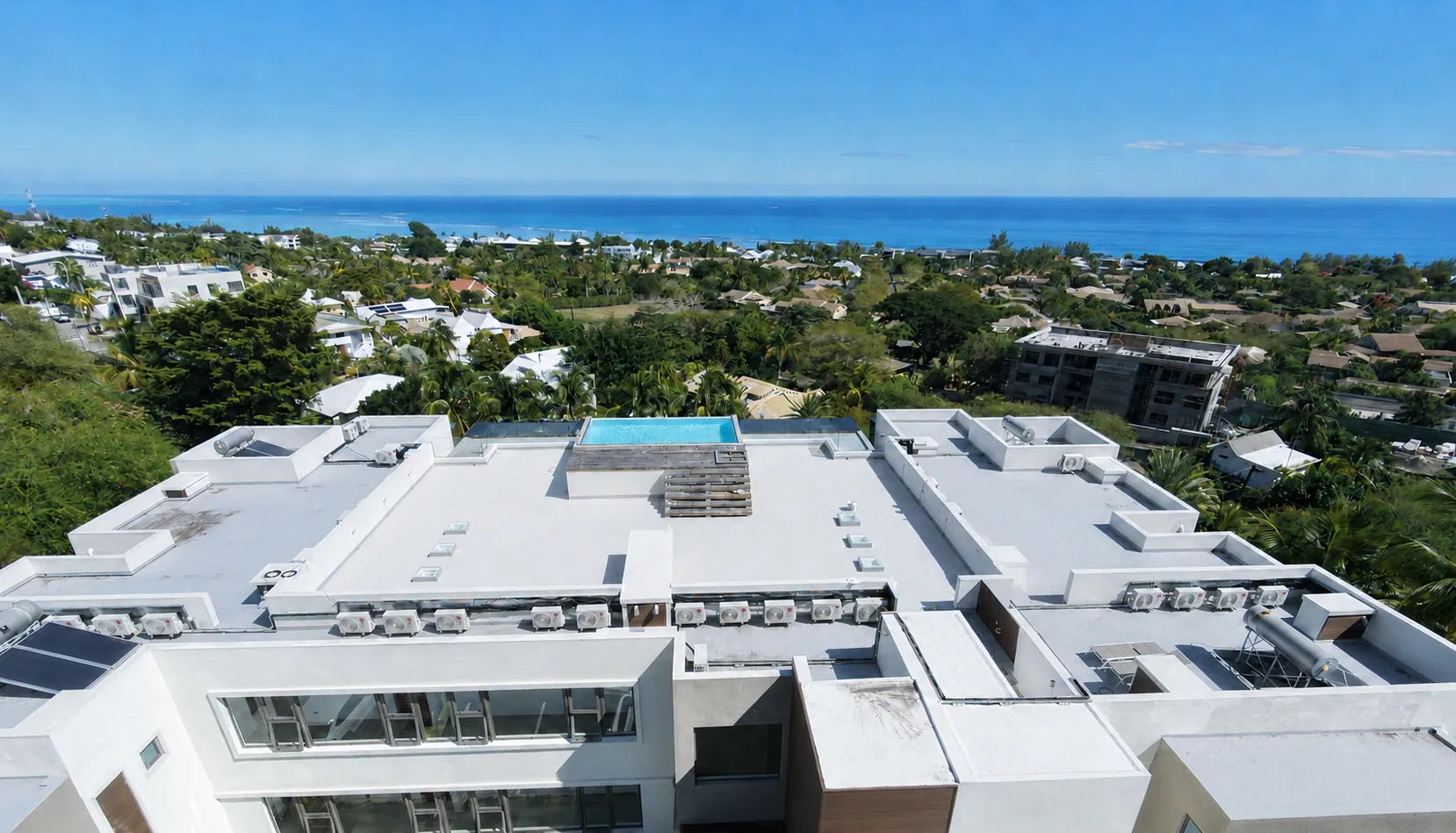
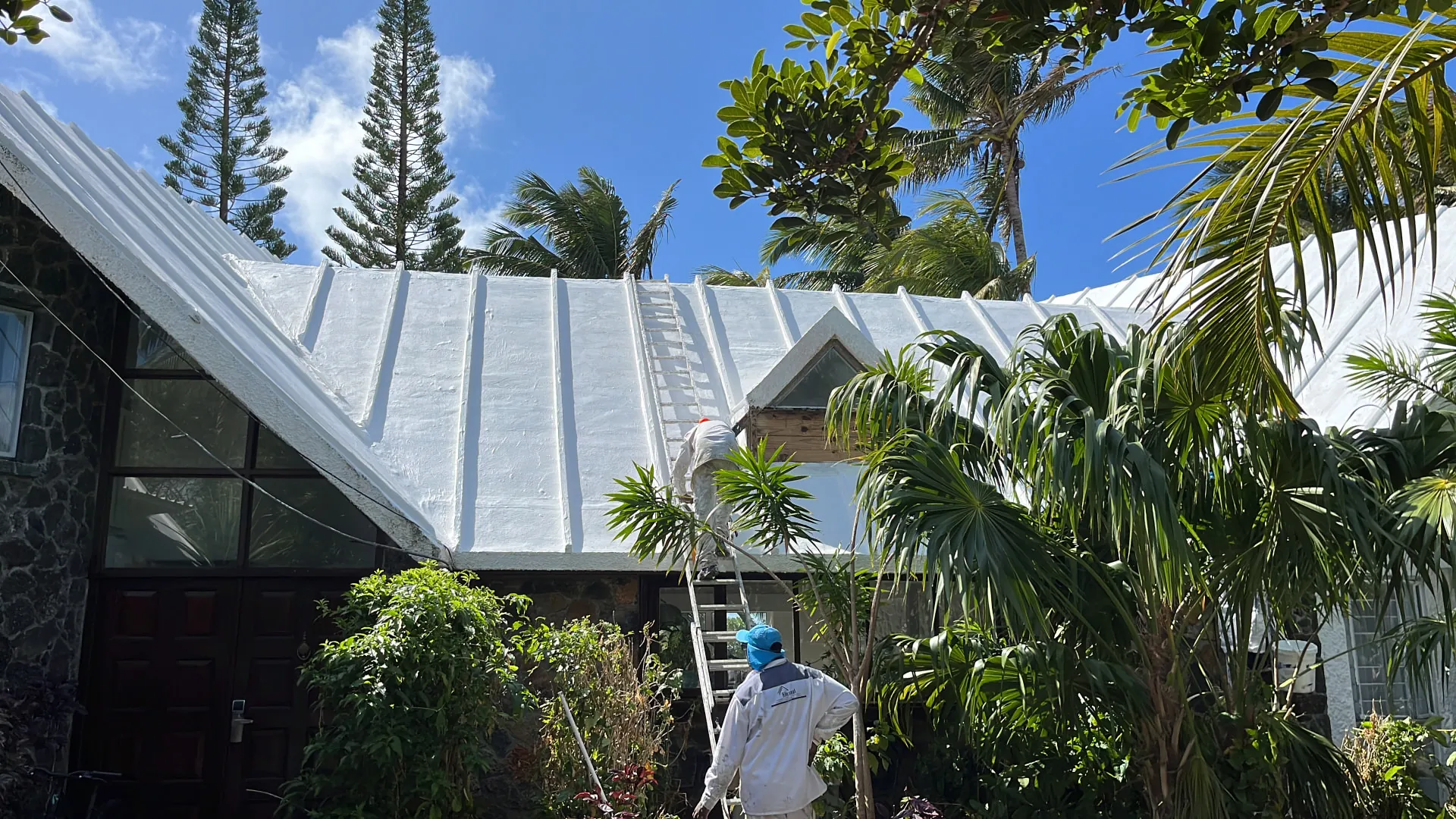
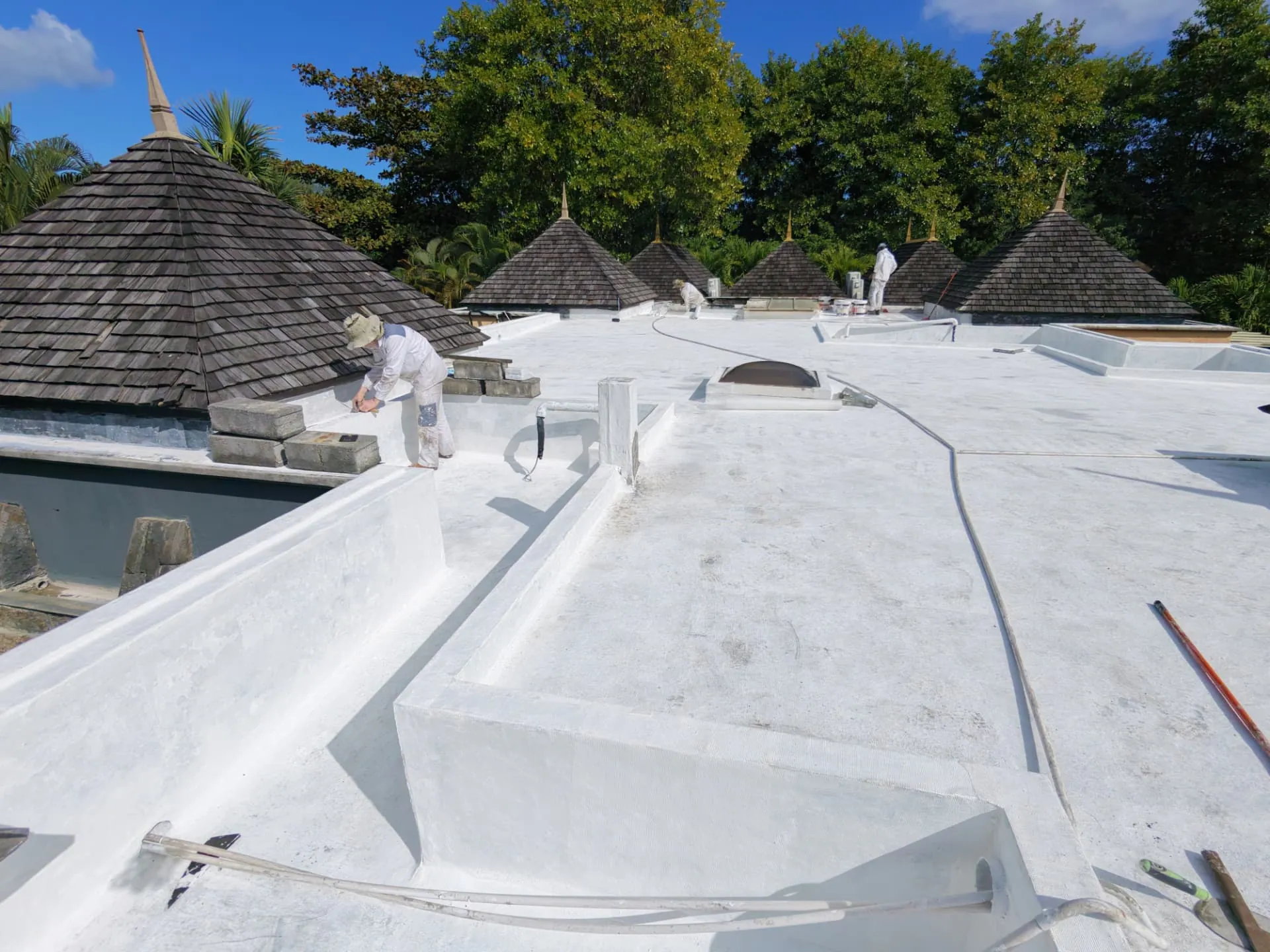
A durable waterproofing. Warranty up to 15 years*.
For owners, developers and property managers in Mauritius who refuse to redo their roof every 5 years.
In Mauritius since 2012
Residential, commercial and industrial projects in Mauritius and Rodrigues.
25+ years of combined experience
A team trained on waterproofing systems and their application.
Warranty up to 15 years* depending on the system
System, thickness and warranty stated in writing before works start.

See any of these signs? Don't wait for the next rain.
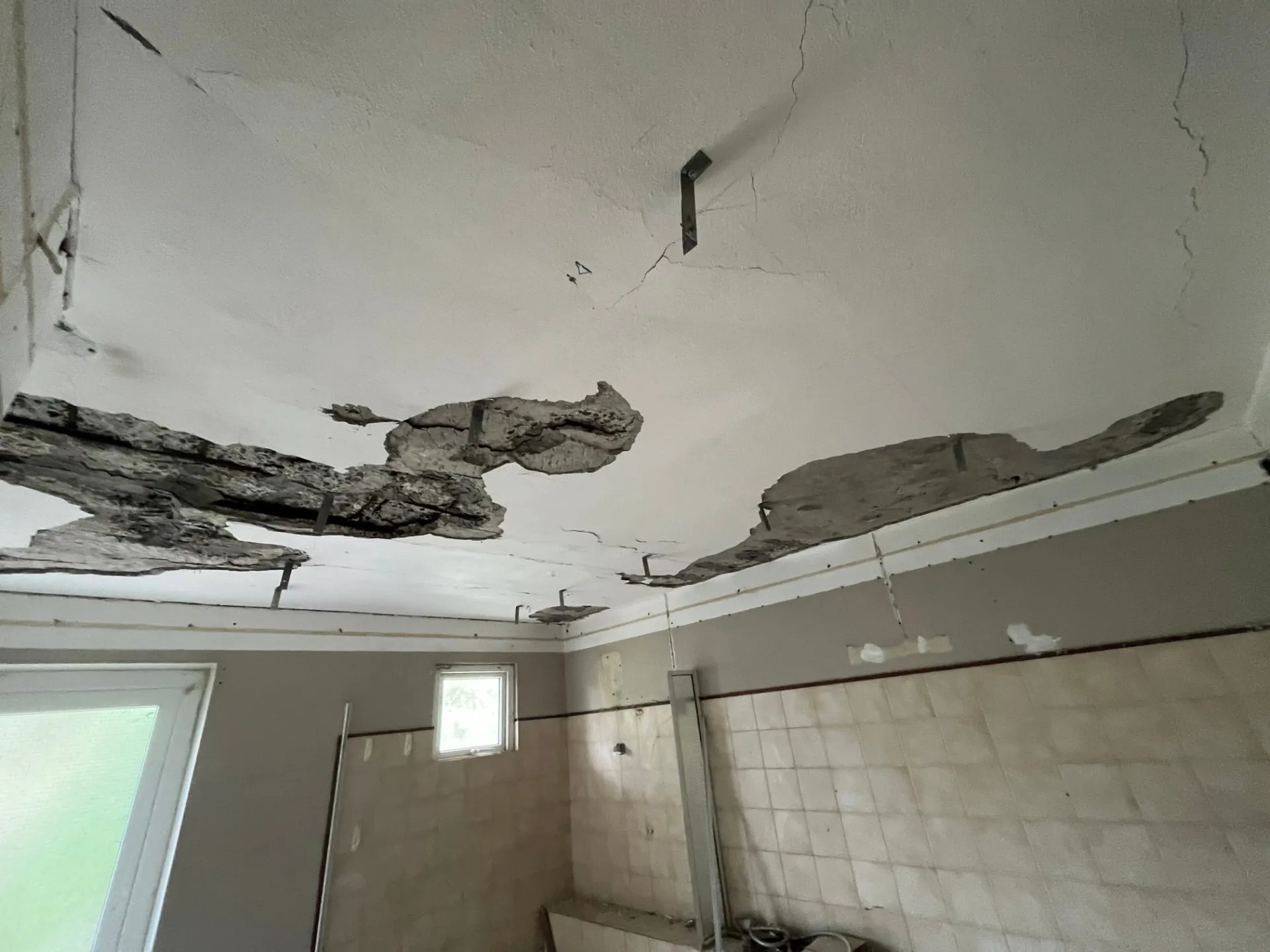
Stains or drips on the ceiling
Water has been in the slab for several weeks already.
See the solution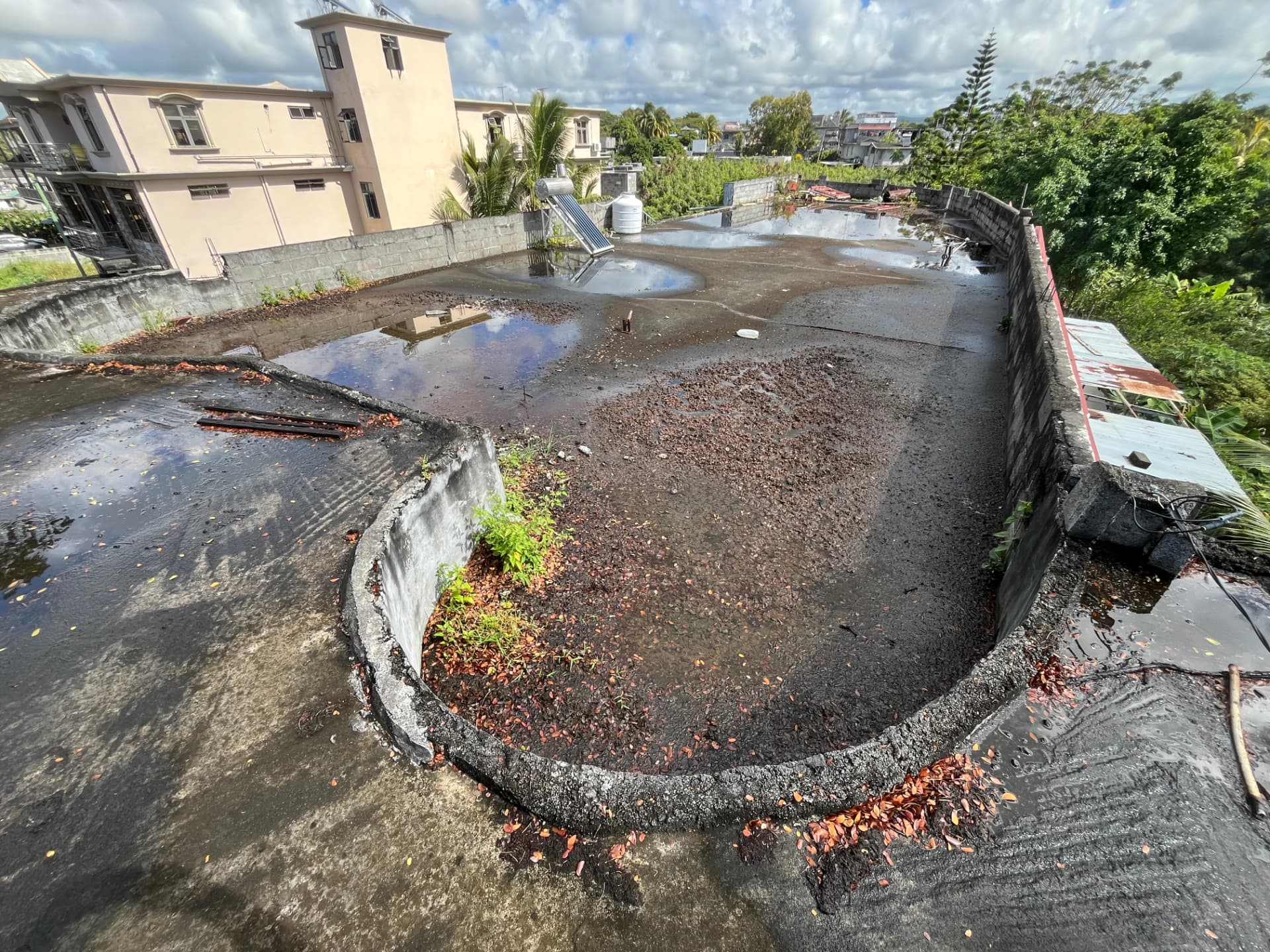
Puddles still there 48h after rain
The slope is wrong. No coating will last on its own.
See the solution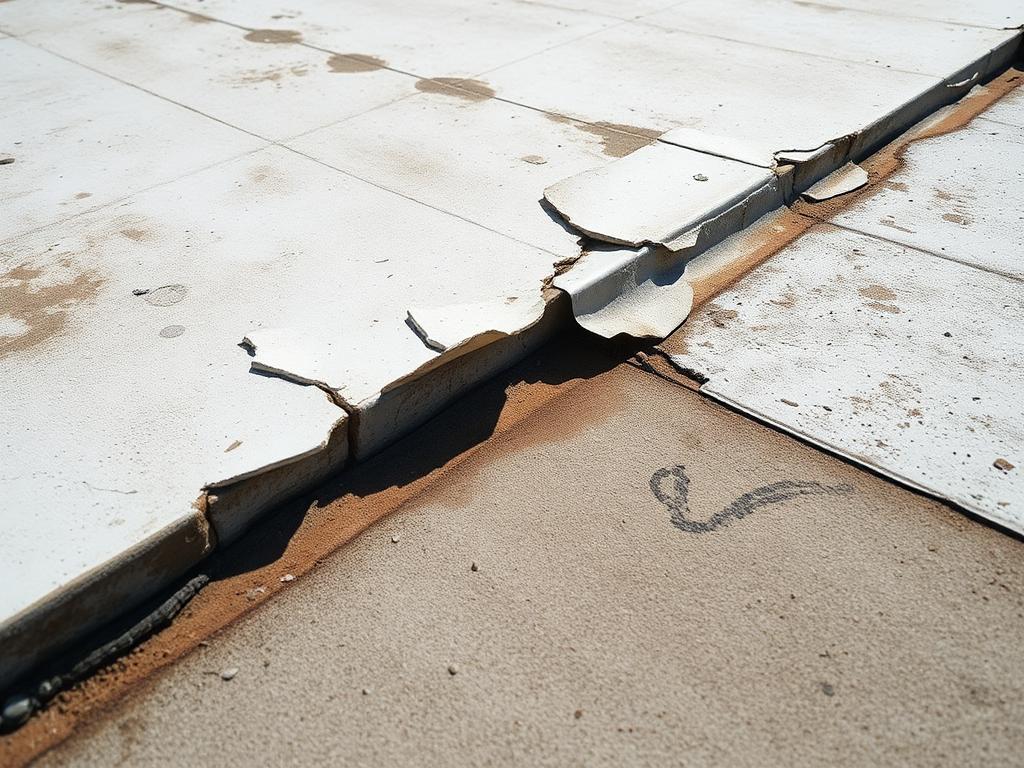
Membrane blistering, peeling, cracking
End of life for the system, or applied on a poorly prepared substrate.
See the solution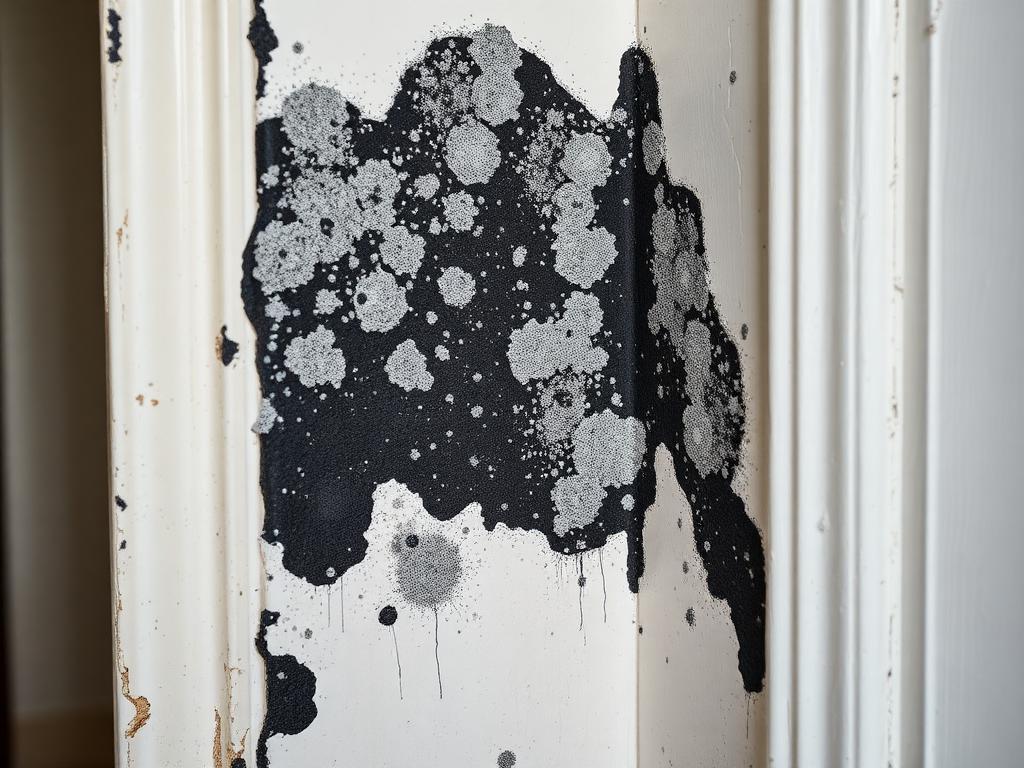
Musty smell, saltpetre on the walls
Chronic infiltration combined with the tropical climate.
See the solutionOne system per project, not one product for everything.
Mauritius has many microclimates. Riteseal provides professional roof waterproofing across Mauritius and Rodrigues using cold-applied acrylic, hybrid polyurethane, pure polyurethane and cementitious systems.
Coastal regions are generally hotter and drier, with strong UV and salt-laden air, but can still experience heavy rainfall. The Central Plateau is usually cooler, wetter and more humid, with more frequent rain and longer drying periods.
The application also matters. An exposed roof or concrete slab faces different conditions from a wet room, balcony, basement, retaining wall, swimming pool or water tank. Each area may require a different level of UV resistance, flexibility, water-pressure resistance, durability and compatibility with finishes such as tiles.
Our applications also cover: Walls & Masonry, Stone & Façade Protection, Foundations & Retaining Walls, and Behind Stone & Rock Finishes, using bituminous waterproofing or a silane-siloxane water repellent depending on the substrate.
Riteseal considers:
After inspection, we specify the most suitable waterproofing system, whether acrylic, hybrid PU, pure PU, cementitious, bituminous or a silane-siloxane water repellent, and apply it using trained, supervised teams. Our systems are cold-applied, with no open flame and generally no need to vacate the building.
What we assess
- Local climate and exposure
- Type and condition of the substrate
- Cracks, joints and structural movement
- Roof slopes, drainage and ponding water
- Whether the area is exposed, tiled, submerged or trafficable
- Positive or negative water pressure
- The intended use of the area
- 1
Inspect
Substrate survey, slopes, detail points, residual moisture.
- 2
Specify
System, thickness, primers, associated warranty.
- 3
Execute
Preparation, controlled application, handover with photo report.
Which system for your project?
Acrylic
Best for
Exposed roofs with good drainage, reflective roof systems and cost-conscious projects
Key benefits
Cost-effective, UV-resistant, highly reflective, breathable and easy to maintain
Typical warranty*
5–8 years*
Hybrid polyurethane
Best for
Residential, commercial and industrial roofs
Key benefits
Excellent flexibility, seamless waterproofing, outstanding weather resistance and excellent value for money
Typical warranty*
8–10 years*
Pure polyurethane
Best for
High-performance roofs, complex roof details and areas exposed to occasional ponding
Key benefits
Premium seamless waterproofing, exceptional elasticity, superior crack-bridging and maximum long-term durability
Typical warranty*
12–15 years*
Cementitious
Best for
Bathrooms, balconies, swimming pools, water tanks, basements and retaining walls
Key benefits
Excellent adhesion to concrete and masonry, suitable for damp substrates and applications subject to positive or negative water pressure (depending on the system specified)
Typical warranty*
8–10 years*
Bituminous waterproofing
Best for
Foundations, retaining walls, concrete and masonry walls, concealed surfaces, and walls that will later receive natural stone, rock cladding or other decorative finishes
Foundations • Retaining walls • Concrete & masonry walls • Behind stone or rock finishes • Planters • Concealed waterproofing applications
Key benefits
Provides a continuous protective moisture barrier on concrete and masonry surfaces, including behind finishes or cladding
Bituminous waterproofing treatments are generally supplied without warranty due to the nature of the application and because treated areas are often concealed, covered, backfilled or subsequently finished. Any warranty, where applicable, will be specifically stated in the quotation.
Typical warranty*
No standard warranty
Silane-Siloxane water-repellent treatment
Best for
Exposed natural stone, concrete, masonry, brickwork and façades where a clear, breathable water-repellent treatment is required
Natural stone • Exposed concrete • Masonry • Brickwork • Façades • Porous mineral surfaces
Key benefits
Penetrates porous mineral surfaces to reduce water absorption while allowing water vapour to escape and maintaining the natural appearance of the substrate
A water-repellent treatment, not a membrane waterproofing system. Not suitable for active water leaks, structural cracks, hydrostatic pressure, permanently submerged areas or situations requiring a continuous waterproofing membrane.
Typical warranty*
Project-specific / subject to substrate condition and product specification
*Not every system carries a standard warranty: some have standard warranties, some project-specific warranties and some no standard warranty. Typical warranty periods shown are subject to the complete waterproofing system specified, substrate condition and preparation, correct application, site conditions, and compliance with Riteseal's Warranty Terms & Conditions and maintenance requirements. Please refer to our Warranty page for full details. View the Warranty page.
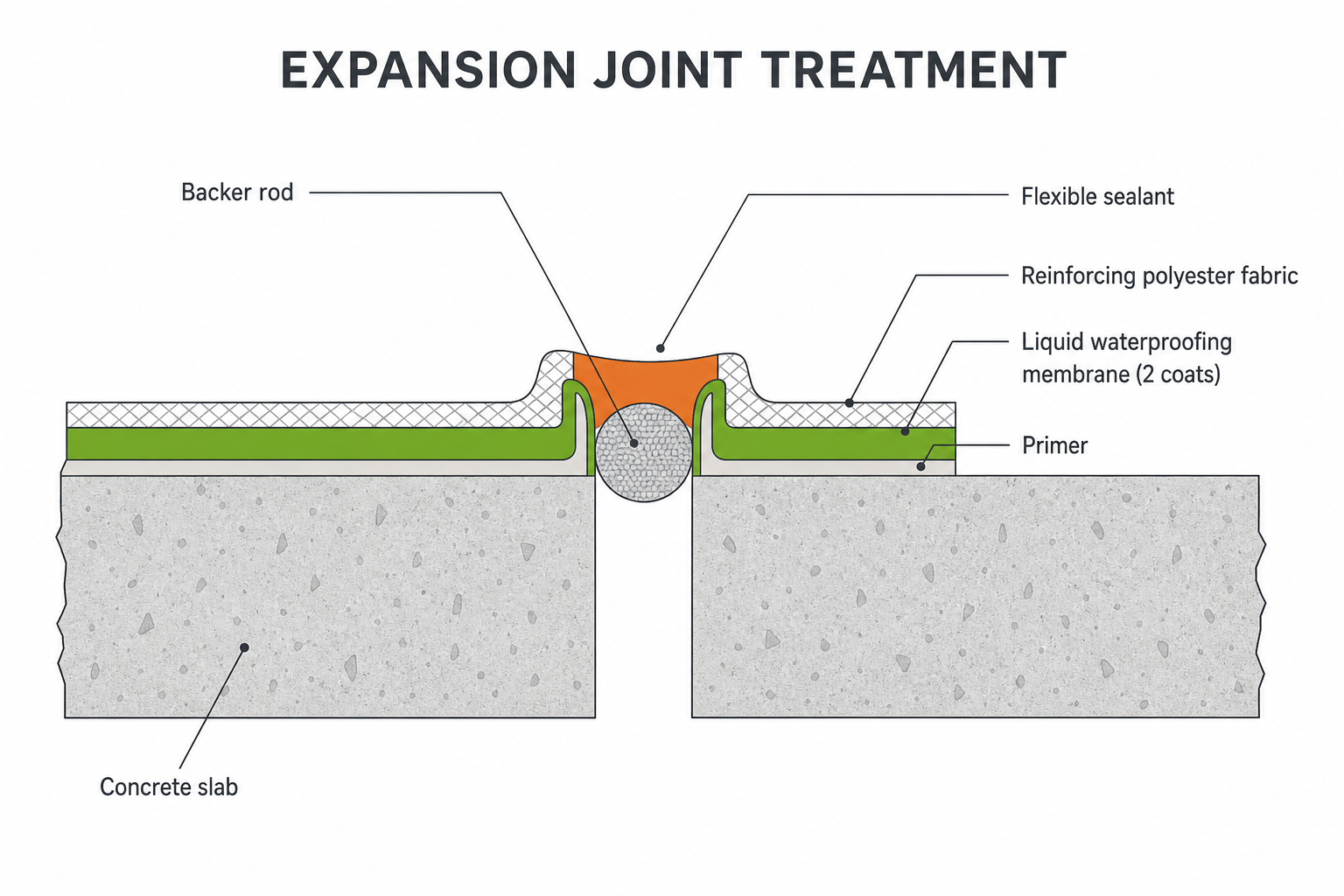
Expansion joint treatment.
Expansion joints absorb the natural movement of a building: thermal expansion, concrete shrinkage and vibration. They are also the single most common point of water ingress on a flat roof. A joint treated as an ordinary crack will simply reopen with the first heat cycle.
Riteseal treats expansion joints as a dedicated detail: opening and cleaning the joint, installing a backer rod, applying a flexible elastomeric sealant, then reinforcing the zone with a polyester fabric embedded in the liquid waterproofing membrane. The result stays watertight while remaining free to move.
- Joint opening, dust removal and substrate-specific primer
- Backer rod sized for correct sealant geometry
- Flexible elastomeric sealant with high elongation
- Polyester reinforcement strip embedded in the liquid membrane
- Same approach for roof, terrace and slabs
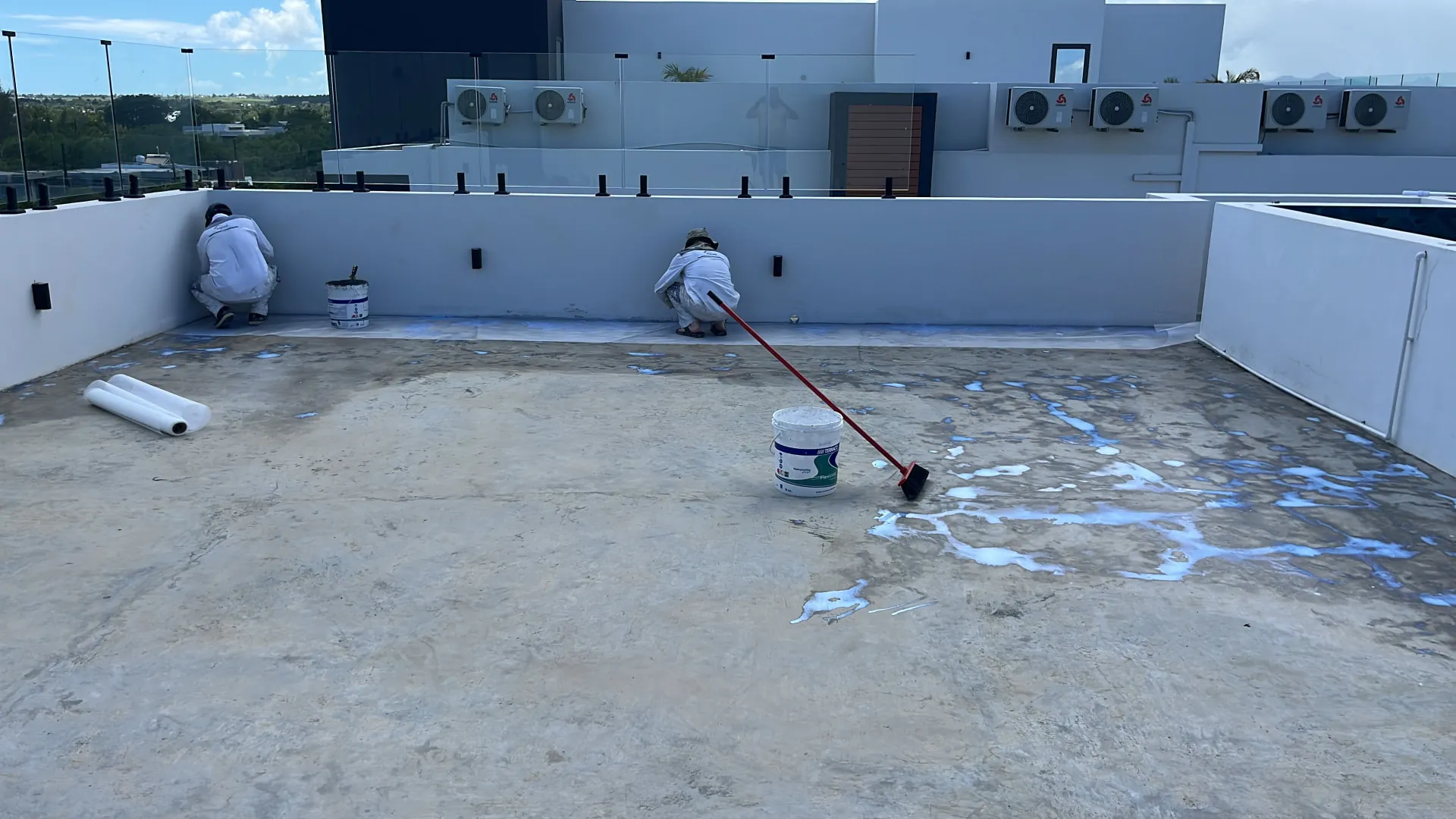
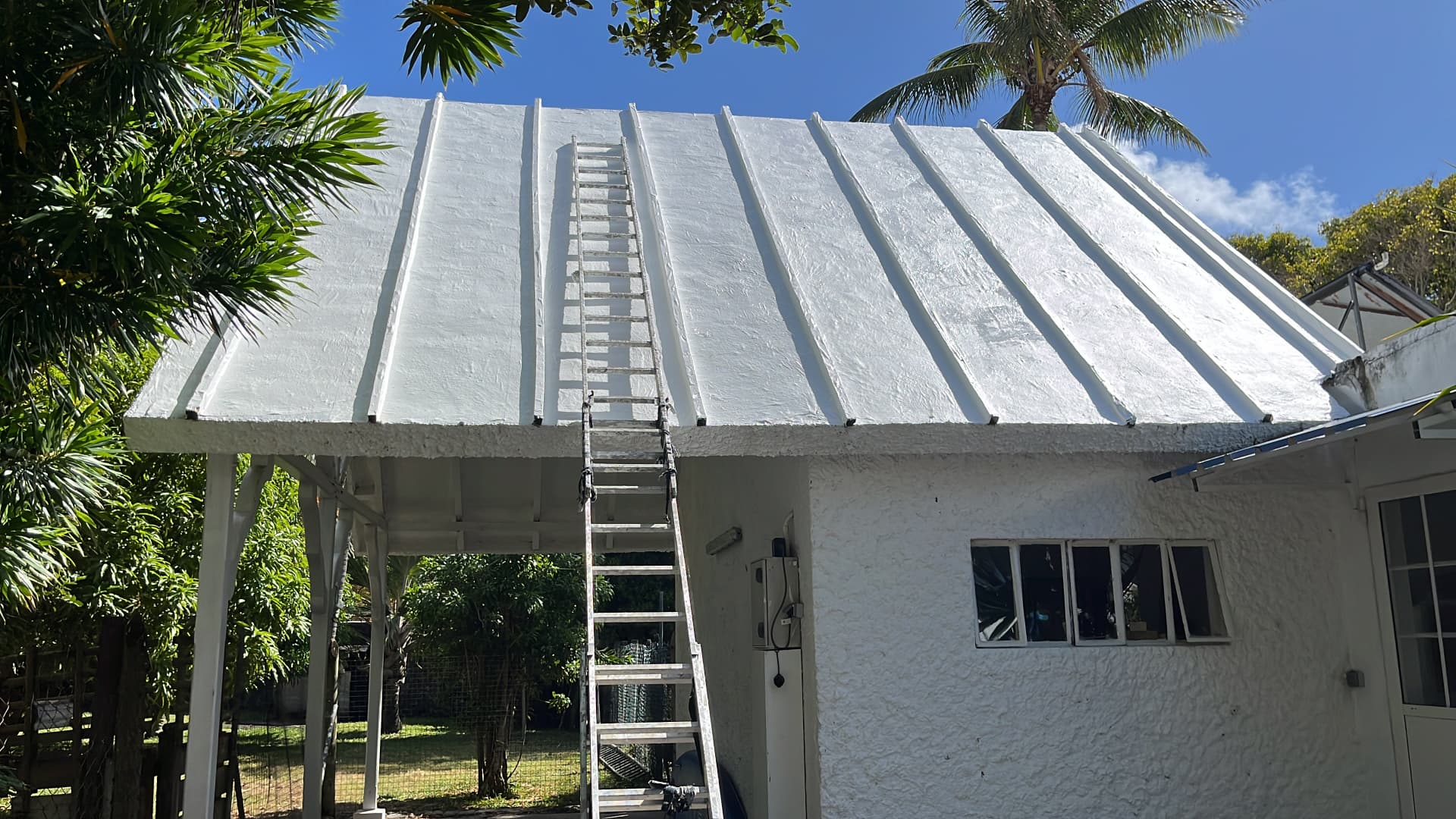
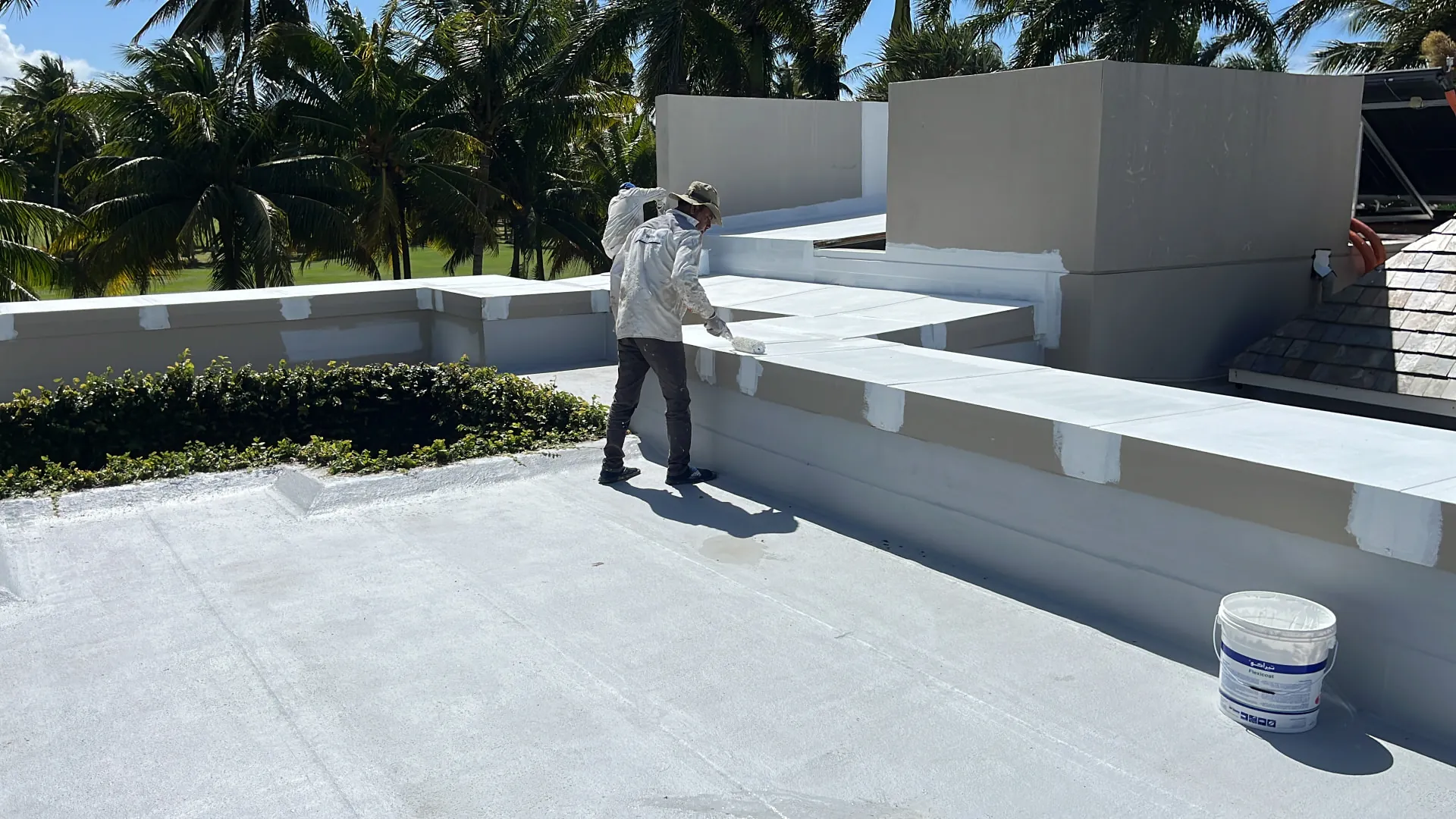
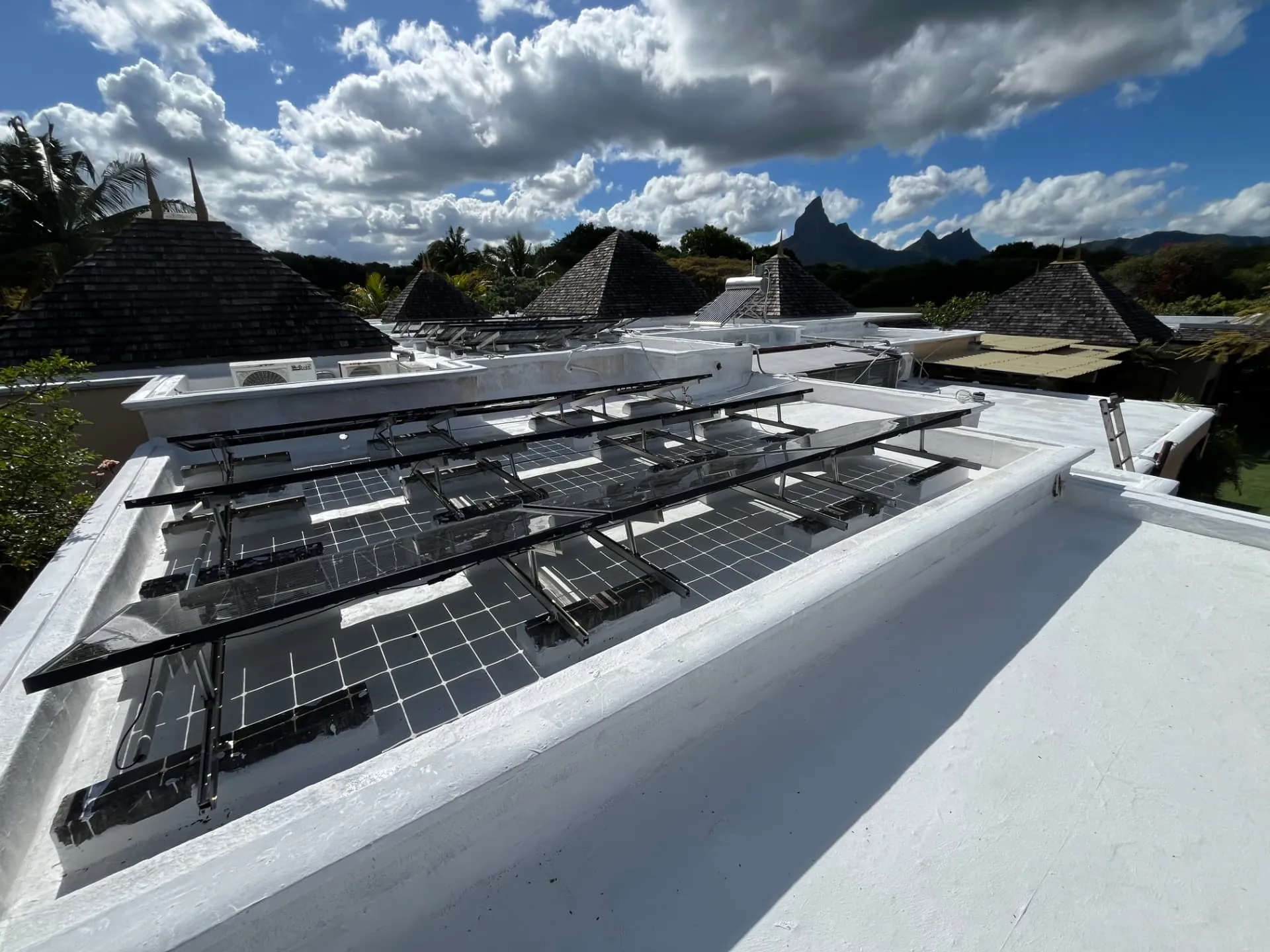
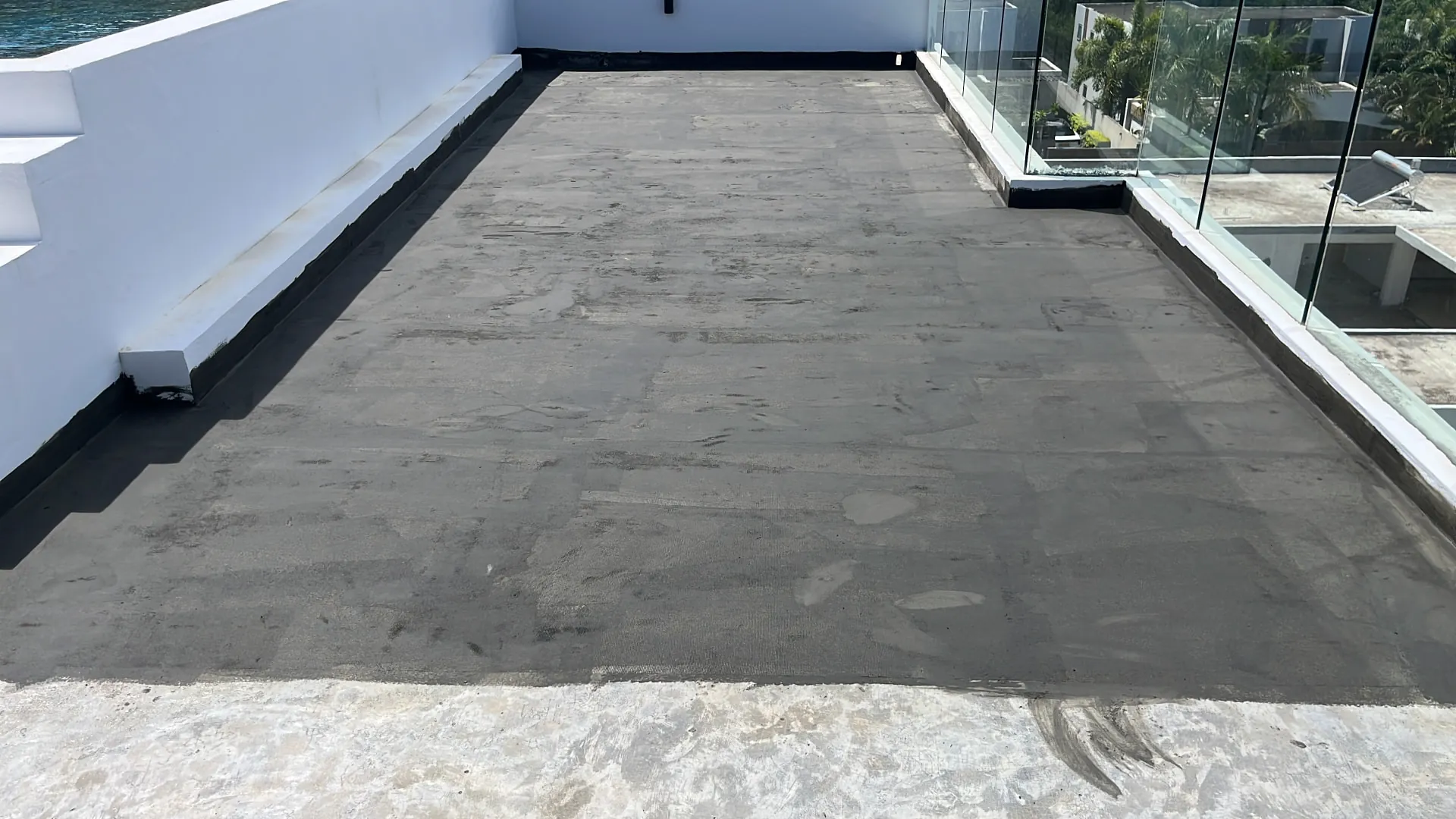
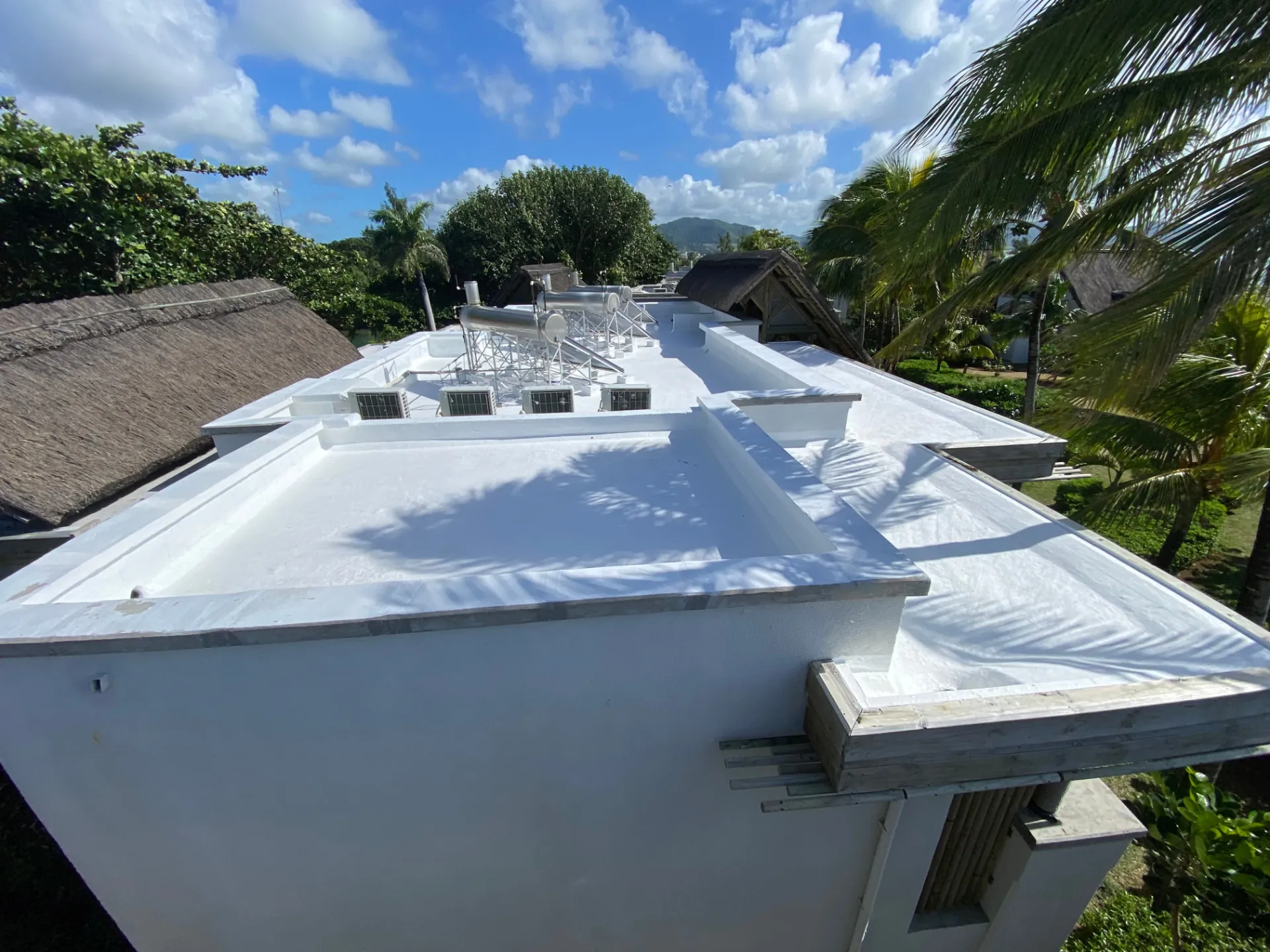
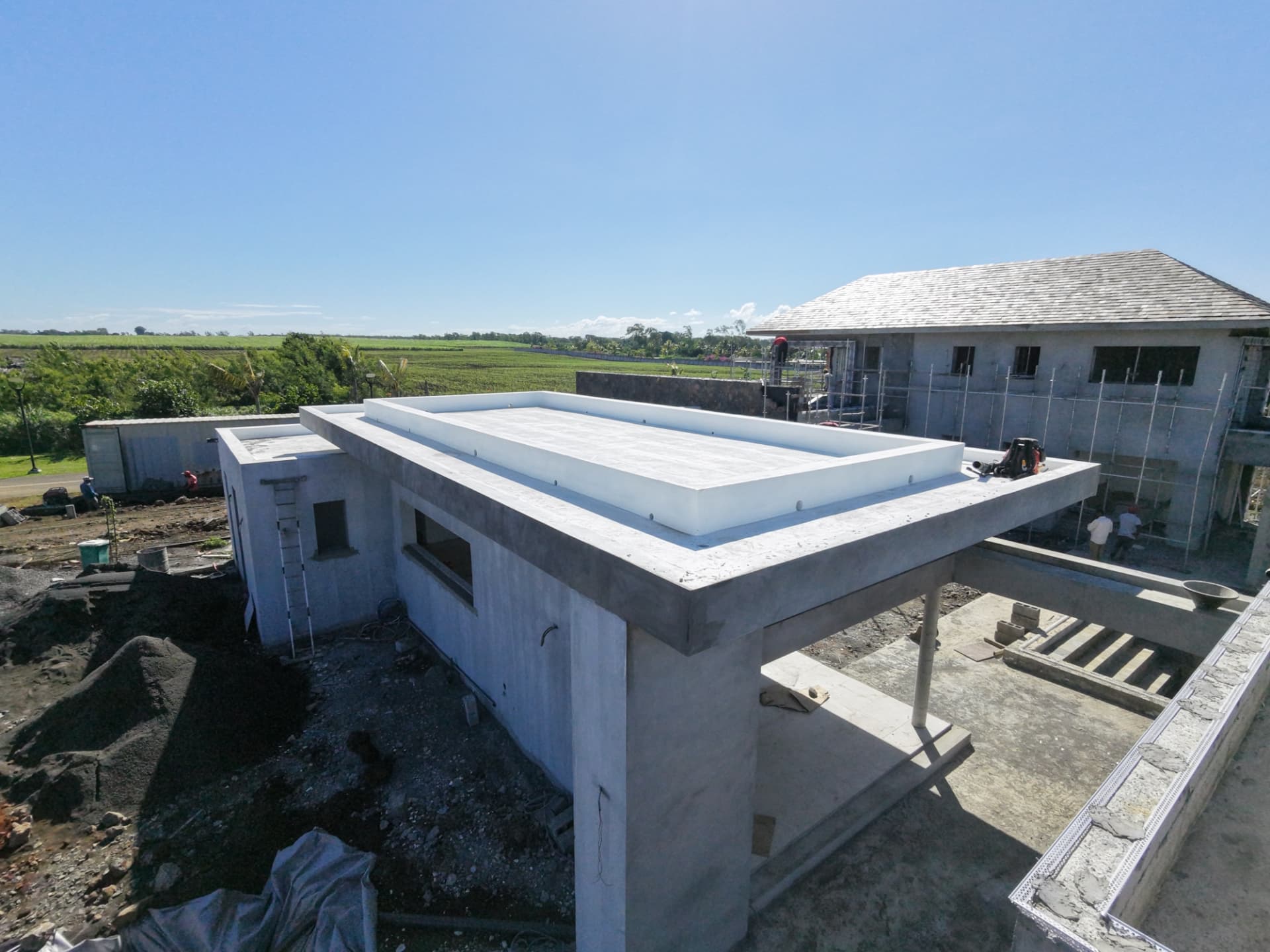
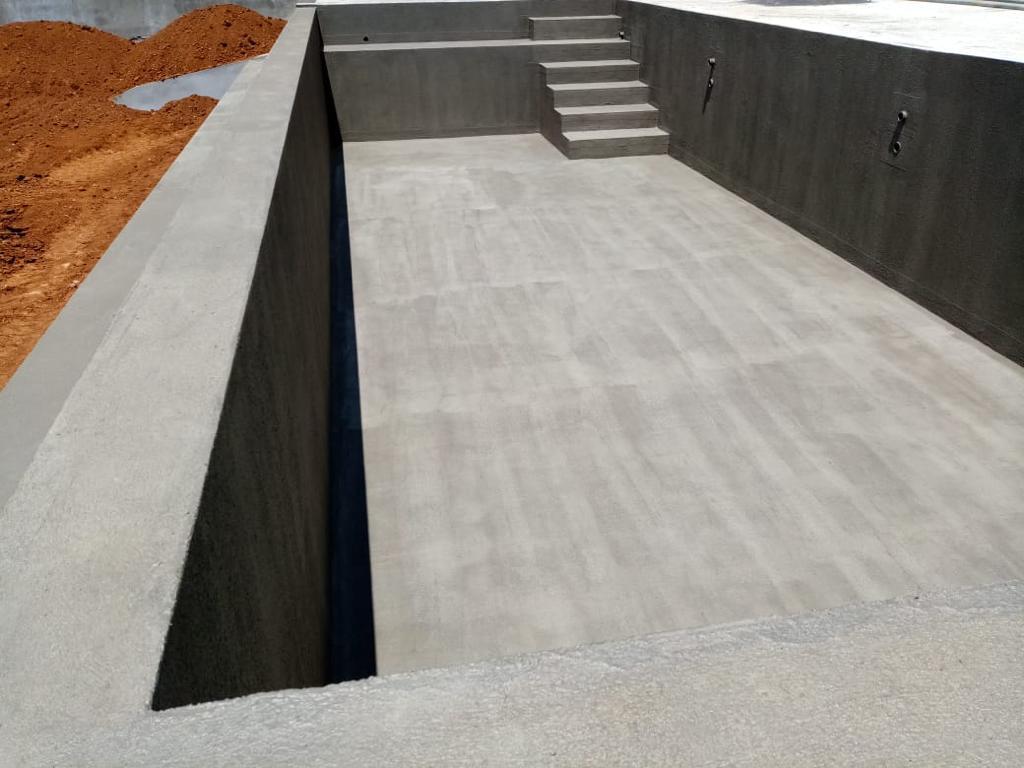
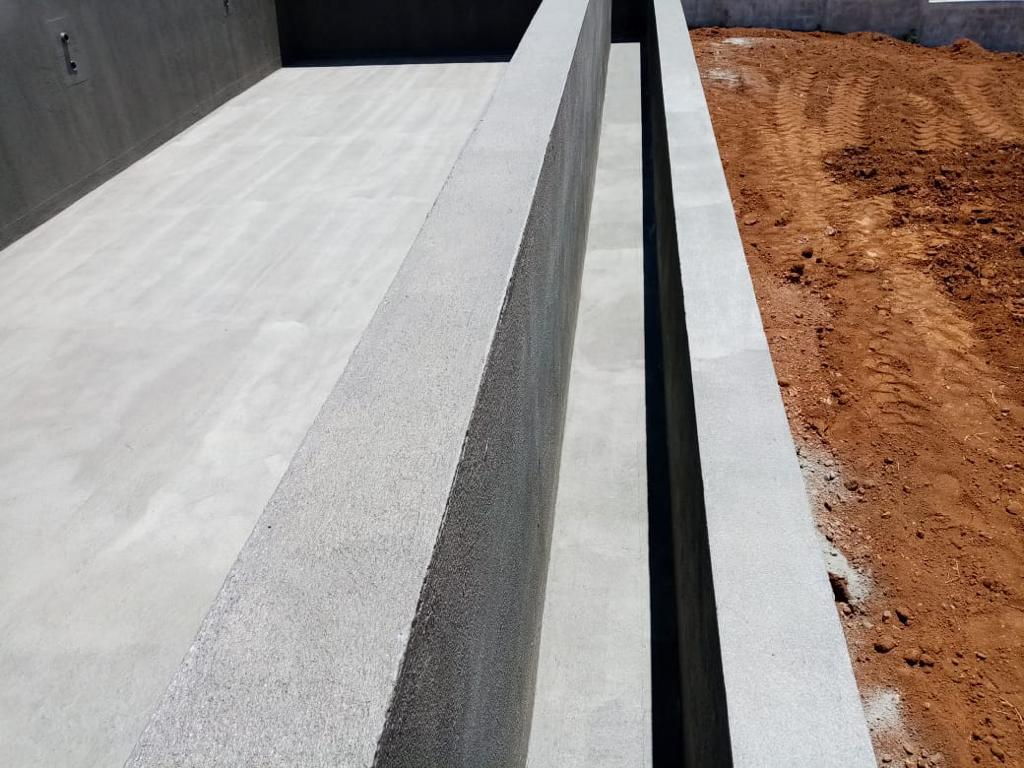
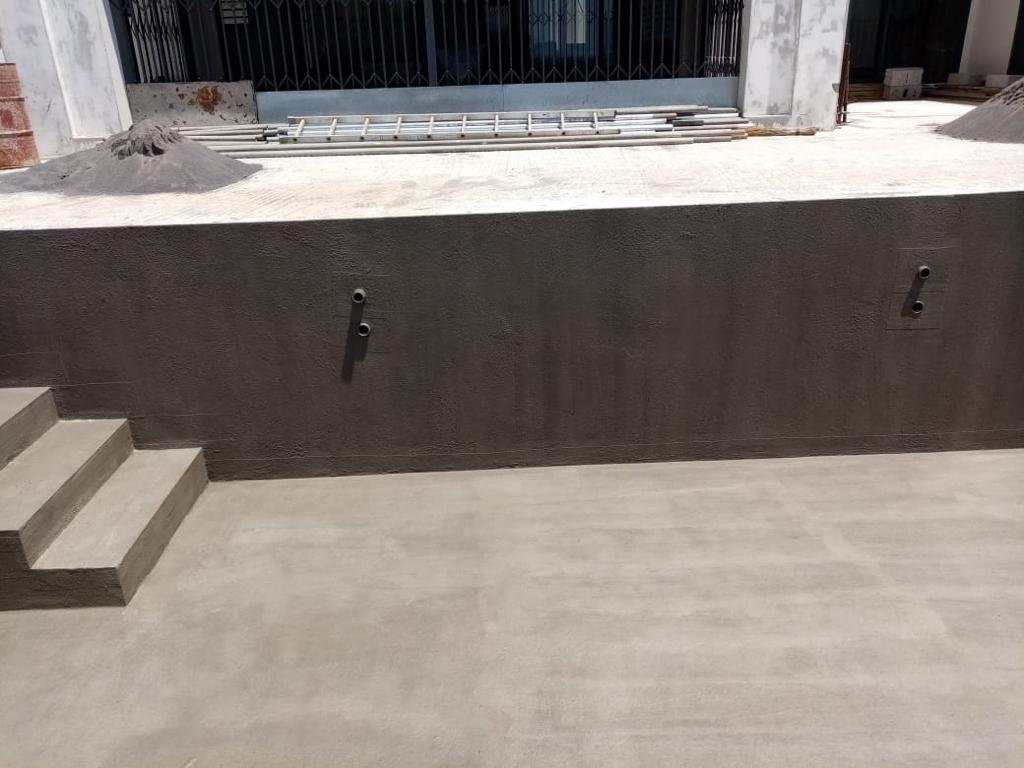
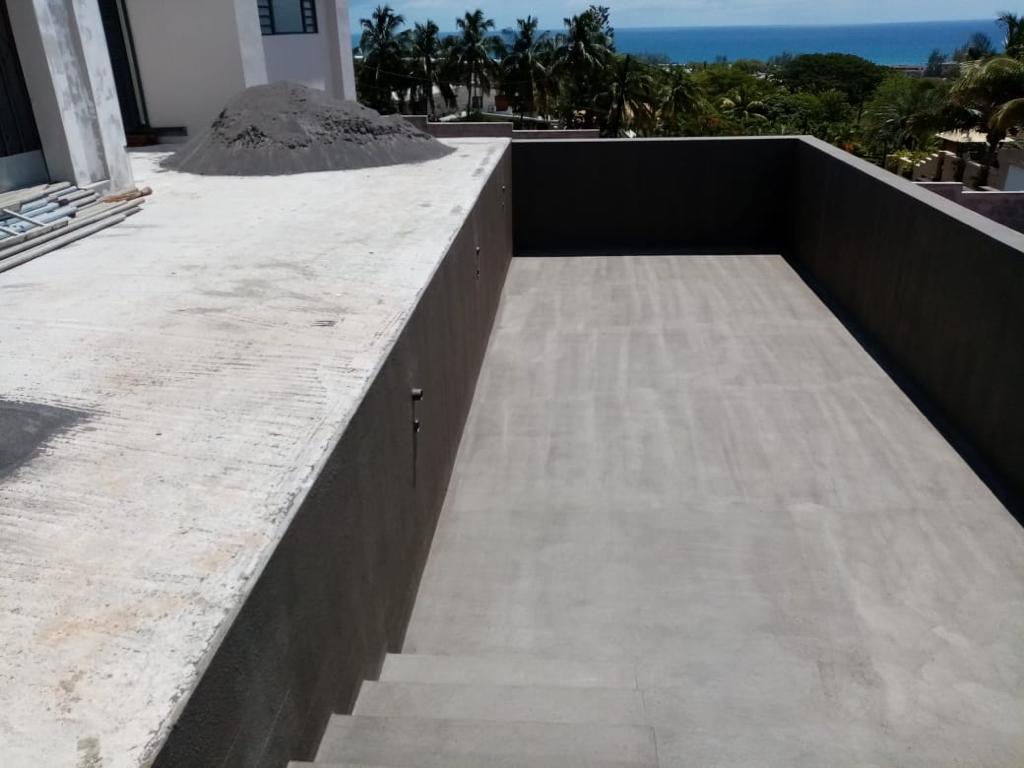
Our work in pictures.
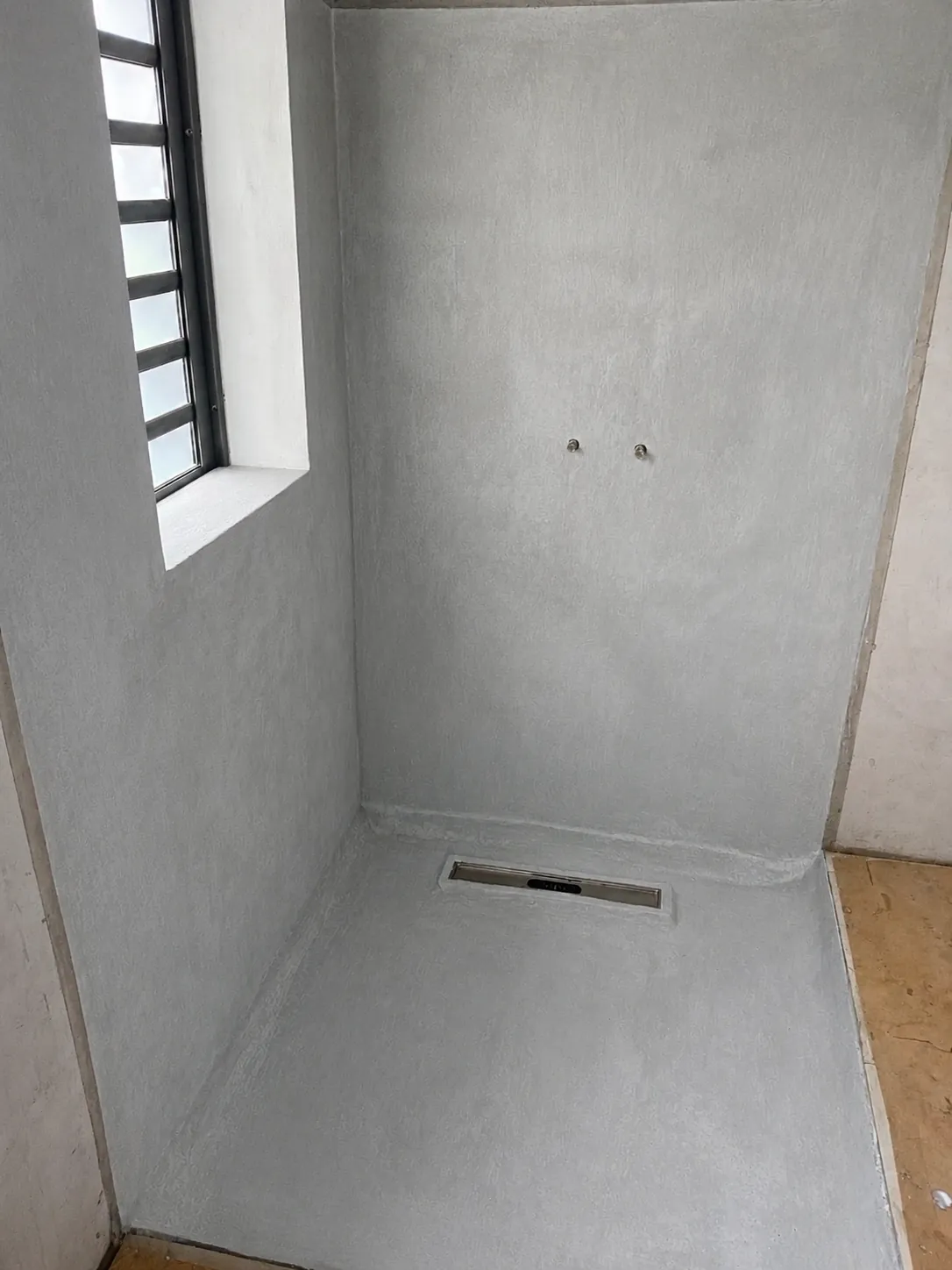
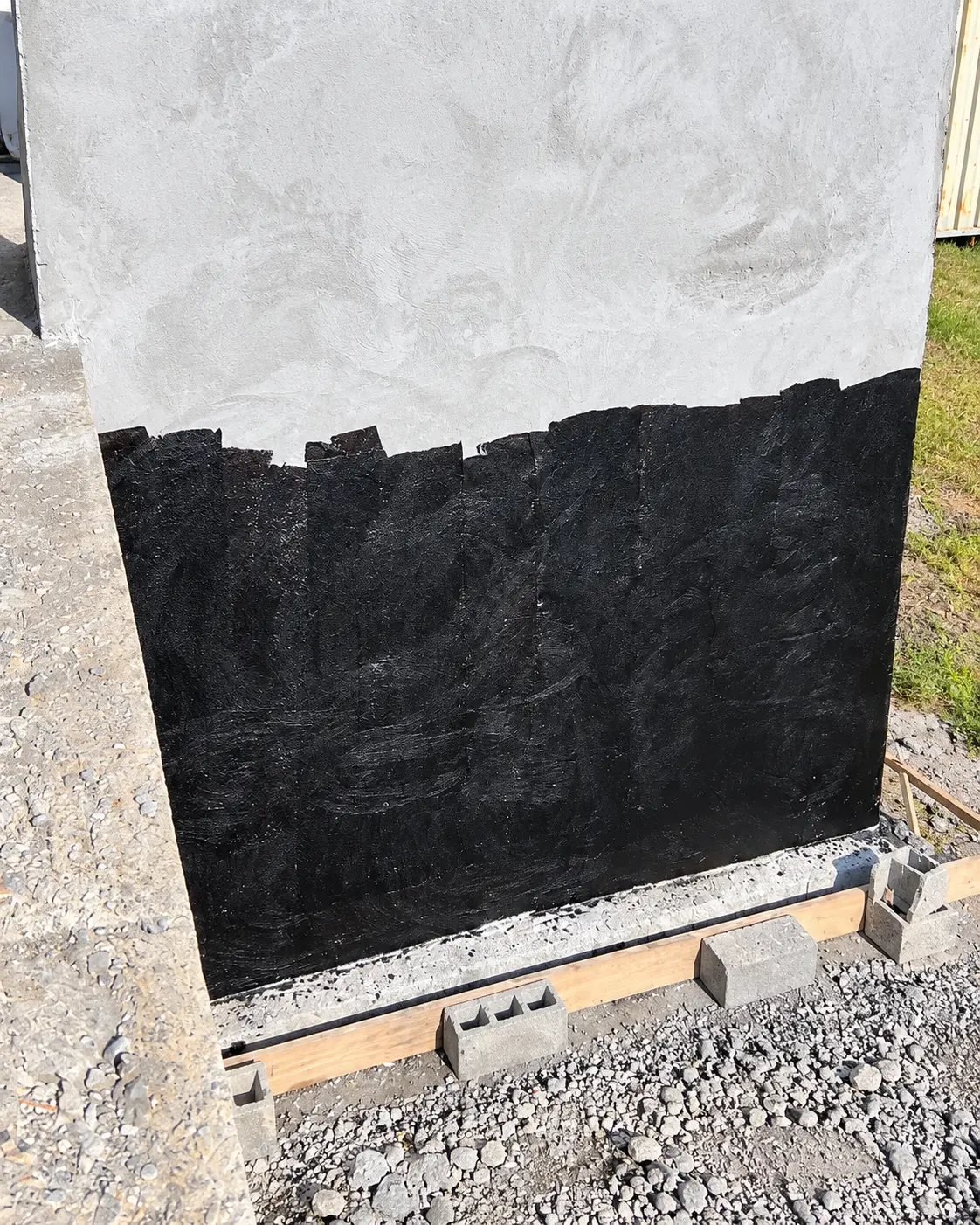
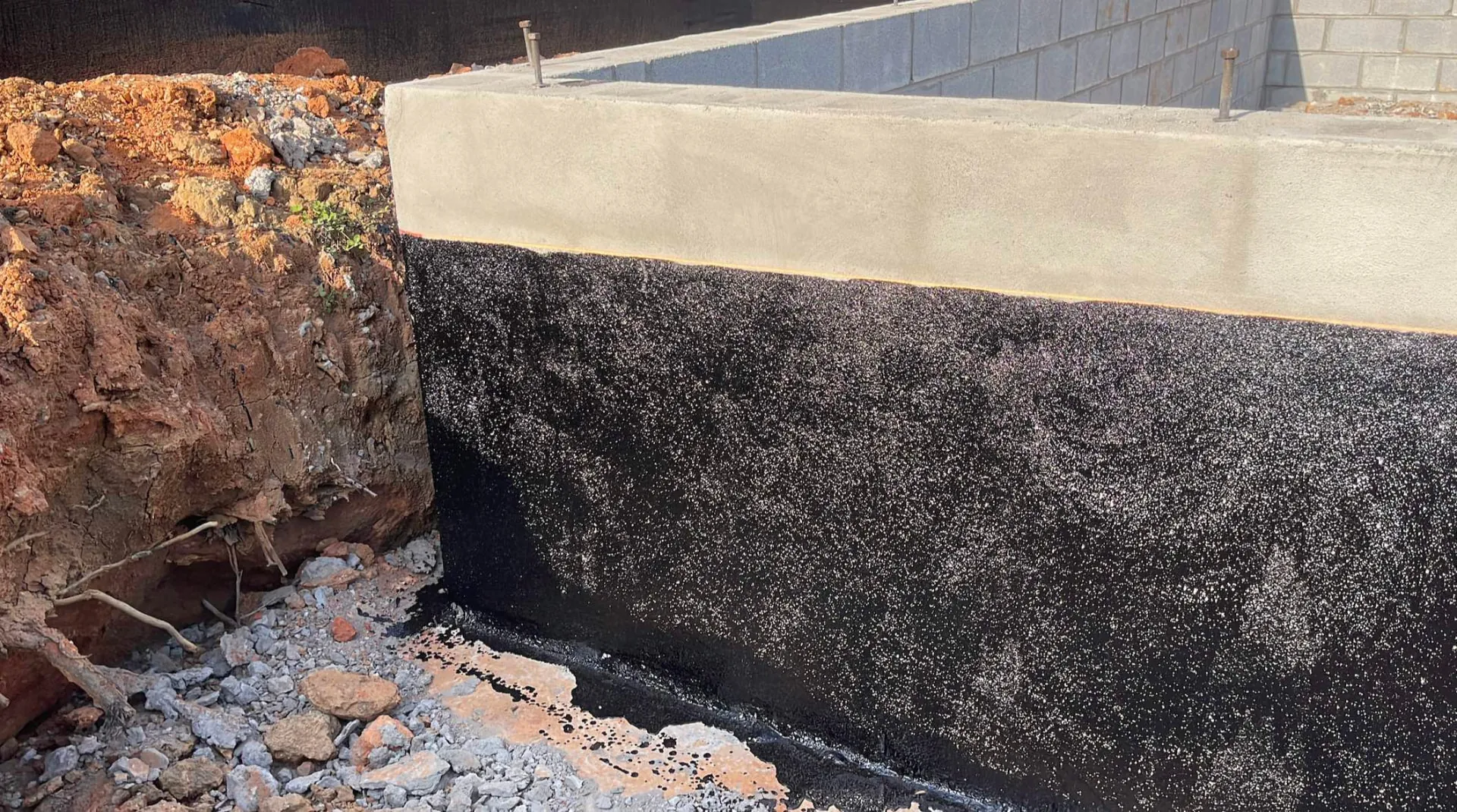
Guides: bituminous waterproofing and silane-siloxane water repellents.
Foundations, retaining walls, walls behind stone cladding, or exposed stone and façades: learn when to use bituminous waterproofing and when a clear silane-siloxane water repellent is the better choice. A correct roof slope (ideally 2%) also reduces ponding water, which can shorten waterproofing performance.
From call to follow-up, a clear thread.
- Step 1
Call or request
606 2500 or form, reply within 24 business hours.
- Step 2
On-site inspection
Free, 30 to 60 minutes depending on area.
- Step 3
Quote & specification
Recommended system, warranty range, schedule.
- Step 4
Works
Supervised teams, protection of sensitive areas, daily report.
- Step 5
Handover & follow-up
Warranty file handed over + annual maintenance reminder.